Enhance a visit to the National Center through a variety of tours and presentations.
Tours
Step on a Bus Tour
Sites on this tour include the:
- Nat King Cole House
- Rev. Ralph David Abernathy/First Baptist Church Parsonage
- Rosa Parks Monument
- Selma to Montgomery March Interpretive Center
- Jo Ann Robinson Hall
- Friendship Manor
- National Center for the Study of Civil Rights and African American Culture
- and the exhibits in the Levi Watkins Learning Center
Sites on this tour include the:
|
|
The tour also takes in sites on the ASU campus, including the Nat King Cole House, the Ralph David Abernathy/First Baptist Church Parsonage, the Rosa Parks monument, and the Selma to Montgomery March Interpretive Center.
ASU Montgomery and the Civil Rights Movement
- Learn more about the role of ASU students, faculty, and staff during the civil rights movement of the 1950s and 1960s.
- Engage exhibitions illustrating the role of ASU students, faculty, and staff in the civil rights movement of the 1950s and 1960s.
Walking Tours
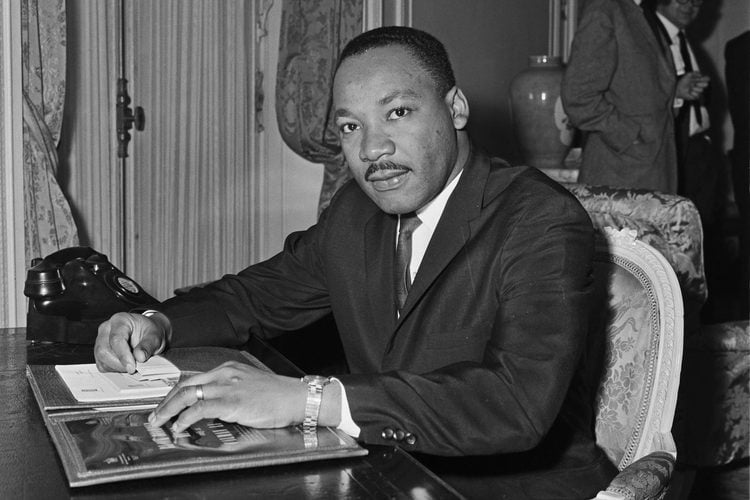
Walking in the Footsteps of Rev. Martin Luther King Jr
During Martin Luther King Jr.’s time in Montgomery, he regularly spent time on the ASU (then Alabama State College) campus. At the school library Rev. King conducted research for his dissertation, he spoke on campus at the 1956 Alpha Phi Alpha Fraternity’s Founders Day, was the keynote at the 1955 ASU Commencement exercise, attended both basketball and football games, and his wife taught music on campus. Trace the same paths as MLK and learn about his time at ASU and his interaction with ASU students, faculty, staff, and former Morehouse College associates.
Walking in the Footsteps of Rev. Ralph David Abernathy
Rev. Ralph David Abernathy left a lasting legacy at Alabama State University, first as a student leader and activist, and then as an administrator and student mentor. Through this tour, visitors will hear about how Rev. Abernathy, as Sophomore class president, led several successful demonstrations on campus. Visitors will then learn of his return to ASU as Dean of Men, after earning a Master’s degree from Atlanta University. You can follow Rev. Abernathy’s path when he is thrust into the national spotlight as pastor of First Baptist Church, and one of the leaders of the Montgomery Bus Boycott.
They will see his parsonage home, where a 1957 bomb shattered the house in the aftermath of a successful boycott. Moreover, visitors will be exposed to Rev. Abernathy and his wife Juanita’s role in helping students plan the explosive 1960 student sit-ins, and Rev. Abernathy’s role in the celebrated New York Times v. Sullivan free speech case.
Student Activism at ASU
Students at Alabama State University have a long and storied history of civil rights activism. Through this tour visitors will be exposed to several student protests, including student involvement in the 1955-56 Montgomery Bus Boycott, protests around the 1960 sit-ins, efforts to desegregate Montgomery public libraries, the tumultuous 1965 voting rights campaign, and the 1968 protest around the death of Rev. Martin Luther King.
Presentations
National Center historians offer several presentations of Montgomery and ASU’s involvement in the civil rights movement.
Alabama State University: The University at the Heart of the Civil Rights Movement

ASU students, faculty, staff, and alumni participated in every major episode of the historic 1950s and 1960s civil rights movement. This includes the Montgomery Bus Boycott, Student Sit-Ins, Freedom Rides, March on Washington, Birmingham Demonstrations, and the Selma to Montgomery Voting Rights Campaign.
Montgomery emerged as the epicenter of a Civil Rights Movement that redefined the city, transforming it from a bastion of racial oppression into an American symbol of freedom and justice. Because of this movement, the city of Montgomery is now recognized for having launched one of the most effective models of civil disobedience and mass protest in the world.
Emerging from the individual leadership of Rev. Martin Luther King, Jr., attorney Fred Gray, Jo Ann Robinson, and Rev. Ralph Abernathy, to the collective sacrifices of day laborers and educators, maids and students, as well as factory workers and small business owners, African Americans in Montgomery worked through local churches, schools, lodges and organizations, to push not only Montgomery, but to push the whole of the United States of America toward a more perfect union, toward real freedom, toward universal liberty and toward real color blind justice.
At ASU, the National Center for the Study of Civil Rights and African American Culture, brings the stories that helped to shape the Civil Rights Movement to life. Come learn how this important period in the American civil rights movement can inform and inspire similar movements both today and around the globe.
I Was There: This is My Story
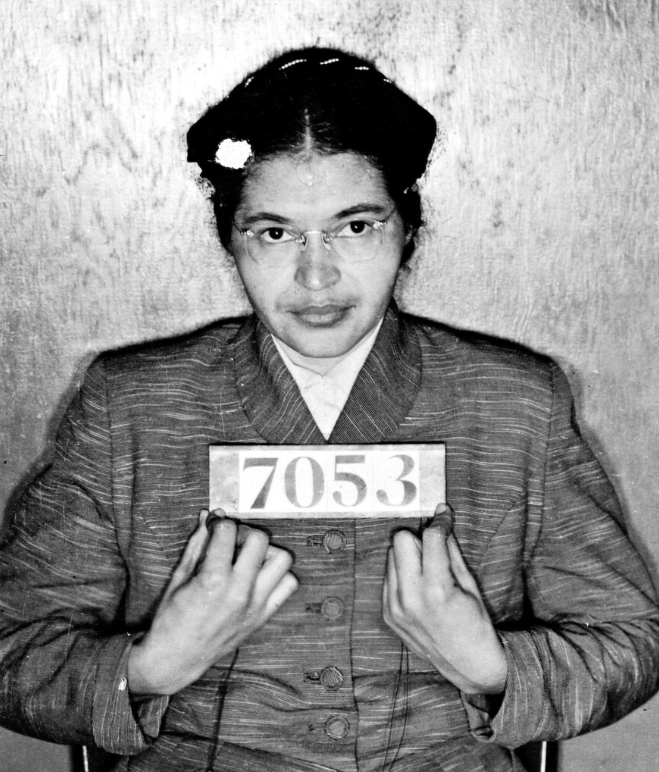
Hear first-hand experiences of individuals involved in the Montgomery Bus Boycott, the Sit-In Movement, the Freedom Rides, the Selma to Montgomery March, and other defining moments in history.
Give Us the Ballot: The Alabama Voting Rights Campaign of 1965 and the Transformation of America’s Political System
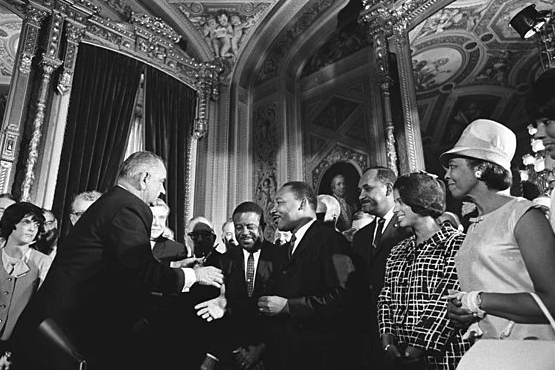
The Alabama Voting Rights Campaign of 1965 transformed America’s political system. This presentation focuses on unsung heroes of the campaign— their activism, organizations, strategies, and legacies to voter equality.
Life, Liberty and the Pursuit of Happiness: Lessons from the Modern Civil Rights Movement for Today’s Challenges
A look back at lessons from the modern civil rights movement that might be applicable to today’s civil rights issues, as the twenty-first century continues to expose injustices against various groups.